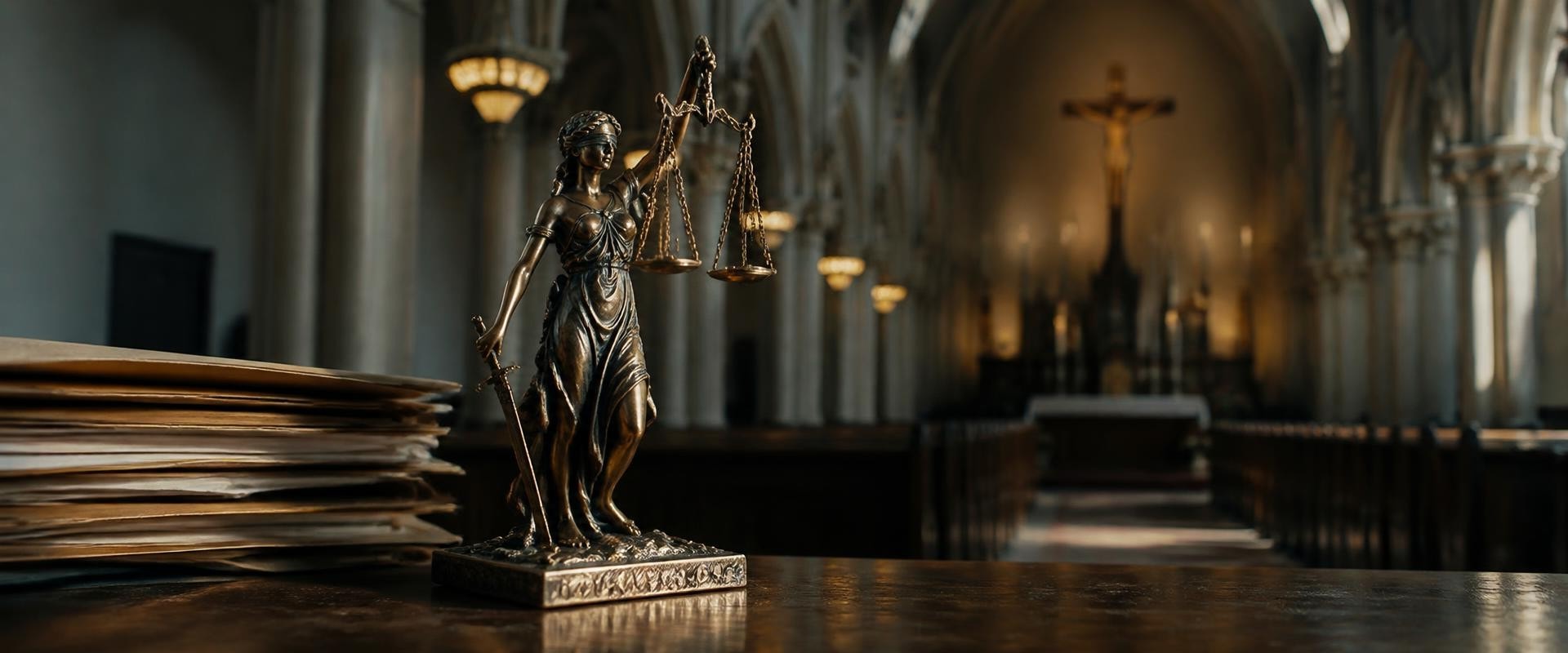
Clergy sexual abuse can involve serious violations of trust within religious communities. Illinois survivors may have civil legal options against offenders and, in certain circumstances, religious institutions that failed to respond appropriately to abuse allegations.
Religious leaders often hold positions of significant personal authority. Families and community members may trust them with sensitive information, spiritual guidance, and the care of children.
When a clergy member commits sexual abuse, the harm can extend beyond physical and emotional injuries. Survivors may experience spiritual distress, strained family relationships, and a loss of connection with their faith community.
Civil lawsuits can provide a means to examine institutional conduct and seek legally available compensation.
How clergy sexual abuse civil claims work
Clergy abuse claims may involve priests, pastors, ministers, religious teachers, or other people serving in positions of religious authority.
Legal claims can arise from abuse of minors or adults, although the applicable rules may differ.
The civil process examines whether an individual or organization bears legal responsibility for the injury.
In institutional cases, lawyers may investigate whether religious administrators received complaints, ignored warnings, or allowed an individual to continue working despite known risks.
Institutional responsibility in religious organizations
A religious institution is not automatically liable for every wrongful act committed by a member.
Potential liability depends on the institution's duties and its own conduct.
For example, evidence that administrators knowingly concealed complaints or failed to respond to credible warnings may become relevant.
Records of transfers, assignments, disciplinary proceedings, and internal correspondence can help establish an institutional history.
Courts must also consider constitutional protections involving religious organizations. Those protections can affect how particular claims are evaluated.
Historical clergy abuse claims
Many survivors do not disclose clergy abuse until adulthood.
Feelings of guilt, fear of disbelief, family expectations, and religious pressure can make disclosure especially difficult.
Historical claims require careful analysis of Illinois filing deadlines and the law applicable to the period involved.
Older incidents may also present evidence challenges. Records may have been lost, witnesses may no longer be available, or the alleged offender may have died.
None of these circumstances automatically determines the outcome of every potential claim.
Did you know? Illinois investigated decades of clergy abuse
In May 2023, the Illinois Attorney General released findings from a multi-year investigation into child sexual abuse within the state's Catholic dioceses.
The investigation identified 451 Catholic clerics and religious brothers associated with substantiated child sexual abuse claims and documented at least 1,997 children abused between 1950 and 2019.
These findings brought renewed public attention to institutional accountability and the importance of survivor testimony.
They also illustrated how organizational responses can affect the duration and extent of abuse.
The report itself does not establish liability in every individual civil case. Each survivor's circumstances must be assessed separately.
What survivors should know before pursuing legal action
A civil lawsuit may seek compensation for counseling, medical treatment, lost earnings, emotional suffering, and other legally recognized harm.
The strength of a claim depends on the evidence and applicable legal standards.
Confidentiality and personal choice
Some survivors want public accountability. Others prefer to keep their experiences private.
A lawyer can explain the differences between confidential consultations, private settlement negotiations, and public court proceedings.
Protective measures may be available, but complete anonymity cannot be promised.
Survivors should be able to make informed choices about the process.
Choosing whether to file a lawsuit
A legal consultation does not obligate a survivor to sue.
An attorney may review relevant dates, identify possible defendants, assess filing deadlines, and explain the practical demands of litigation.
Some cases resolve through negotiated settlements. Others require formal discovery, hearings, or trial.
No specific outcome is guaranteed.
Common questions around clergy sexual abuse lawsuits
Can someone sue a church for abuse by a religious leader?
Potentially. Claims depend on the institution's conduct, applicable duties, and supporting evidence.
What if the abuse happened decades ago?
Illinois law may provide options for certain historical claims. Individual legal review is necessary.
Does the religious organization have to know about the abuse?
Institutional knowledge may be important for some legal theories. The precise requirements depend on the claim.
Can survivors pursue compensation without criminal charges?
Yes. Civil claims are separate from criminal prosecutions.
Will the survivor need to confront the offender?
Not necessarily. Some cases settle without trial, but litigation may involve testimony or other participation.
