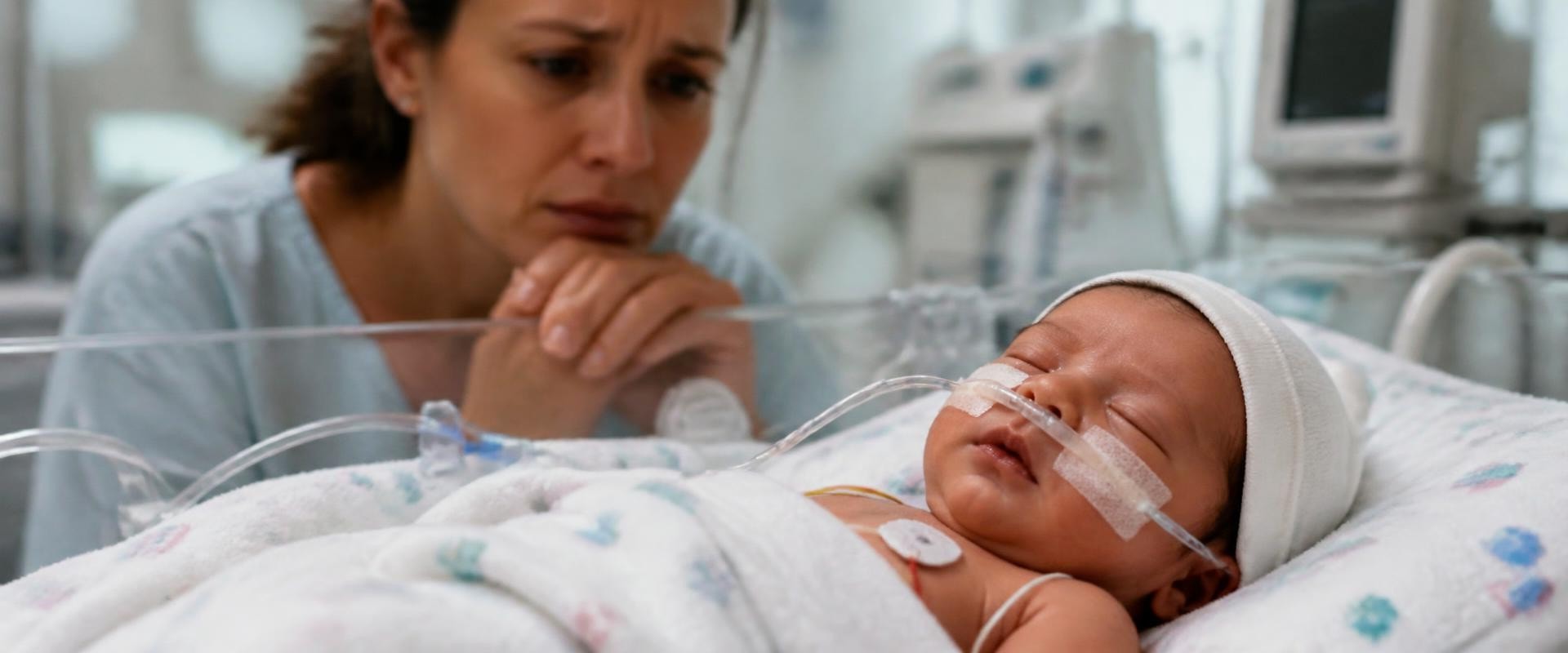
Placental abruption can reduce the oxygen and nutrients reaching a baby before birth. Severe cases may contribute to birth asphyxia, hypoxic-ischemic encephalopathy, premature delivery, and other serious complications. Understanding these risks helps families recognize why rapid medical assessment and appropriate delivery decisions are important.
How placental abruption can affect an unborn baby
Throughout pregnancy, the placenta acts as the connection between maternal circulation and the developing baby.
Oxygen and nutrients pass through the placenta and reach the baby through the umbilical cord.
When the placenta separates prematurely, this exchange can become impaired.
The extent of the disruption depends on how much of the placenta separates and how quickly the condition develops.
A small separation may cause limited effects. A major separation can sharply reduce oxygen delivery.
The developing brain is especially sensitive to a severe lack of oxygen and blood flow.
Without adequate oxygen, brain cells may become injured, potentially affecting a child's health after birth.
Understanding birth asphyxia and oxygen deprivation
Birth asphyxia refers to impaired oxygen delivery and blood flow around the time of birth.
Placental abruption is one possible cause.
When placental function is disrupted, the baby may experience changes in heart rate that indicate difficulty tolerating the condition.
Severe oxygen deprivation can also affect the heart, kidneys, and other organs.
The outcome depends on how severe the oxygen shortage becomes and how long it continues.
Not every episode of reduced oxygen delivery causes permanent injury.
Hypoxic-ischemic encephalopathy after placental abruption
Hypoxic-ischemic encephalopathy, often called HIE, is a type of brain dysfunction associated with inadequate oxygen and blood flow.
It can occur when severe placental abruption interrupts the baby's oxygen supply.
Affected newborns may show abnormal muscle tone, reduced responsiveness, feeding difficulties, breathing problems, or seizures.
Medical teams evaluate the baby's condition through physical examinations, blood tests, neurological assessment, and sometimes brain imaging.
Some newborns with moderate or severe HIE may qualify for therapeutic hypothermia, a carefully controlled cooling treatment.
Eligibility depends on established medical criteria, including the baby's gestational age, condition, and the time since birth.
Early neonatal assessment is important because certain treatments have limited windows for initiation.
Can placental abruption contribute to cerebral palsy?
Cerebral palsy is a group of disorders affecting movement, posture, and muscle control.
Some children develop cerebral palsy following significant brain injury around birth.
Severe oxygen deprivation related to placental abruption may be one contributing factor in certain cases.
However, cerebral palsy has many possible causes, and most cases cannot be attributed to a single delivery event without careful medical evaluation.
A diagnosis of cerebral palsy does not, by itself, establish that placental abruption occurred or that medical negligence caused the condition.
Other newborn complications associated with placental abruption
Premature birth is a significant concern.
When placental separation creates an immediate danger, delivery may be necessary before the baby reaches full term.
Premature newborns may require respiratory support, feeding assistance, and specialized monitoring.
Severe abruption can also increase the risk of stillbirth.
In surviving infants, complications vary widely. Some recover without lasting effects, while others require ongoing developmental services.
Why medical records matter when evaluating an injury
Understanding the cause of a newborn injury often requires reviewing the entire pregnancy and delivery history.
Relevant information may include prenatal complications, maternal symptoms, fetal monitoring results, delivery timing, and neonatal examinations.
Blood gas testing, neurological assessments, and brain imaging may provide additional information.
These records help specialists evaluate whether an injury is consistent with oxygen deprivation and when it may have occurred.
They can also help distinguish injuries related to placental abruption from conditions with other causes.
Common questions around placental abruption and birth injuries
Can placental abruption cause permanent brain damage?
Yes. Severe oxygen deprivation associated with placental abruption can cause lasting brain injury in some babies.
Does every baby affected by placental abruption develop HIE?
No. Many babies do not develop HIE. Risk depends on the severity of oxygen deprivation and other clinical circumstances.
Can a baby recover after placental abruption?
Yes. Some babies recover without permanent complications. Others may require treatment and long-term developmental support.
How do doctors determine whether oxygen deprivation caused an injury?
Doctors examine the delivery history, fetal heart rate patterns, newborn condition, laboratory findings, and neurological evaluations.
