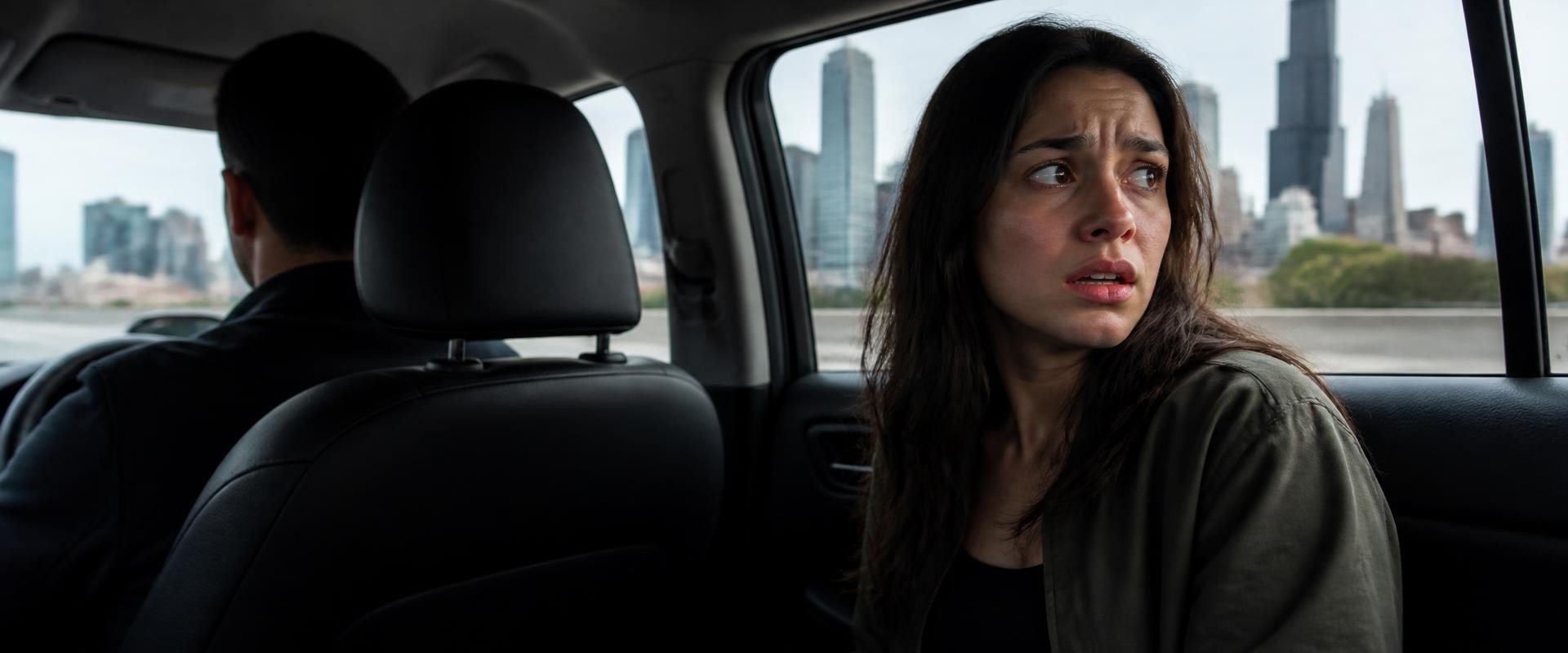
Most people assume that state law is the only rulebook for rideshare drivers. In Chicago, there is a second one. The city requires every Uber and Lyft driver to hold a city-issued license and sets eligibility standards that are tougher than Illinois' own. For passengers sexually assaulted during a Chicago ride, those local rules can sharpen the questions about what the rideshare company should have done.
You do not need to have gone to the police, and no criminal case is required. A civil claim focuses on the company: what it knew about the driver, what it should have known and what it did in response.
The City Ordinance
Chapter 9-115 of the Chicago Municipal Code governs rideshare driving in the city. It requires every rideshare driver to hold a city chauffeur license, usually a transportation network chauffeur license, issued by the Department of Business Affairs and Consumer Protection, known as BACP.
Why the City Can Go Further
Illinois' Transportation Network Providers Act, 625 ILCS 57, sets statewide rules. Section 32 of that Act says local governments may not regulate rideshare companies less strictly than the state does, which leaves room for Chicago's tighter requirements.
Stricter Eligibility Standards
The Chicago ordinance raises the bar in several ways that are directly relevant to rideshare sexual assault claims:
- Drivers must be at least 21 years old.
- An applicant is ineligible if, in the three years before applying, they were convicted of criminal sexual assault, criminal sexual abuse, stalking or a similar offense, or were still in custody, on parole or under supervision for one.
- An applicant is ineligible if they have ever been required to register as a sex offender under Illinois' Sex Offender Registration Act or a comparable law elsewhere.
Eligibility Must Continue
Under the ordinance, eligibility is not a one-time hurdle. It is a continuing requirement. Companies must also have drivers re-verify their identity in the app on a schedule set by rule, and the ordinance notes that this may include facial recognition. If someone other than the approved driver was behind the wheel, those identity checks become a key issue.
The Company's Attestation
The rideshare company must run a criminal background check on each applicant and attest to the city that each one meets the requirements. That attestation is a formal representation. When a driver who should have been disqualified was nonetheless approved, the company's own statement to the city becomes part of the story.
A Reporting Line in the Back Seat
Chicago's ordinance requires a sign in the rear seat that reads "for compliments and complaints, please call 311." That gives Chicago passengers a city reporting route in addition to the app's own reporting tools.
The existence of that city channel means a complaint about a driver may live in more than one place. A rider might have reported the same person through the app, through 311 or both. When a claim is investigated, it is worth asking whether earlier passengers used either route, and whether the company or the city had information about the driver before your ride. Multiple reports through different channels can show a pattern the company had a chance to act on.
Records the Company Must Keep
Section 9-115-210 requires licensed companies to keep books and records of their operations for at least three years and to report trip request data, pickup and drop-off data, driver session data, vehicle data and location snapshots at set intervals while drivers are logged in. Passengers' personal information is not handed to the city, but the company keeps your account and trip details in its own systems.
Who the Claim Targets
Claims are usually brought against the platform, not just the driver. Negligent screening is the theory that most often carries them, often alongside other theories depending on the facts. As private companies, Uber and Lyft fall outside the Tort Immunity rules that shield Illinois public bodies.
Chicago Riders Ask
I rode in Chicago. Do both state and city rules apply? Generally yes. State law sets the baseline, and the city adds its own licensing and eligibility rules.
I didn't call 311 or report in the app. That does not prevent a civil claim. Reporting is your choice.
Is my name going to be public? Identity protections in the court record are available, and we explain them before any filing.
What a Call to Us Involves
Nothing happens automatically when you call. A person answers, and you decide how much to share. If you want us to look further, we review at no charge which company was responsible, what its licensing and screening records show, what it knew and whether a claim can still be brought. We tell you plainly what we find. If you decide not to proceed, your information stays confidential. If you proceed, we handle filings, deadlines, records and the company's insurers, and we can request protections for your identity. Because timing depends on the facts, checking early is wise.
Contact Information
Call Coplan + Crane at (708) 671-6858 at any hour of any day. Partner Ervin Nevitt has been admitted to practice in Illinois since 2014. The office is at 60 W Randolph St, Suite 333, Chicago, IL 60601.
If you need to talk with someone today, RAINN's hotline at 1-800-656-4673 is free, private and open 24/7. Dial 911 in an emergency. Using the hotline does not change your legal position.
Attorney advertising. The information here is general and is not legal advice.
