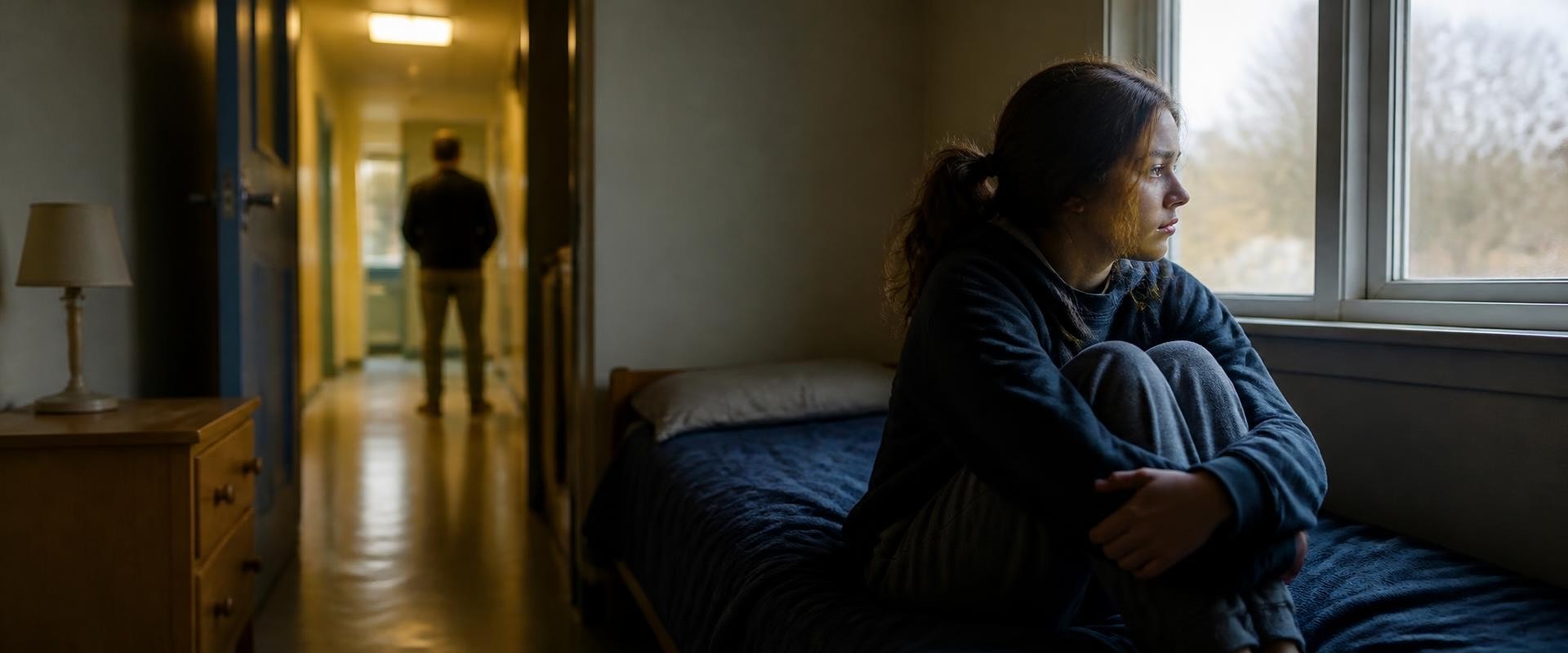
Group homes in Illinois share a familiar set of risks. Staffing is thin. Overnight supervision is minimal. And many residents arrive with histories that make them easy for adults to disbelieve. Put together, those conditions can leave children exposed in the very place meant to keep them safe.
When abuse happens under those conditions, the law can look past the individual to the institutions that allowed it. You do not need to have reported it, and nobody needs to have been charged. A civil claim asks what the operator, and often the placing agency, knew, what it should have known, and what it did.
Attorney Ervin Nevitt, a partner at Coplan + Crane, reviews these cases. He is registered with the Illinois bar (6319808) and was admitted in 2014.
What negligent supervision means here
Negligent supervision is the theory that most often carries group home abuse claims. It looks at how the home watched over the children in its care. Were there enough staff? Who was on duty overnight? How were residents protected when supervision was at its thinnest?
In practice, negligent supervision is rarely the only theory. Several usually run together, and which one fits depends on your facts rather than on a category.
Why residents were easy to disbelieve
Residential and group homes hold children who have already been removed from somewhere else. Many have histories that adults used as reasons not to listen. That pattern is part of why abuse in these settings went unreported or unaddressed. It is not a reason a claim cannot be brought.
Who answers for it
These group home sexual abuse claims are usually brought against the operator, and often the placing agency, not only against the individual. Two institutions are often in frame: the operator that ran the home and the body that placed the child there.
The responsible body is usually a private organization. The Tort Immunity rules that govern claims against Illinois public bodies do not apply in the same way, and the liability questions are the ordinary institutional ones.
Common Questions Around Supervision Claims
Does someone have to have been convicted? No. A civil case uses a lower standard of proof than a criminal one and is usually brought against the institution rather than the individual.
It was a long time ago. That is the norm in this work rather than the exception. Your age at the time, who was responsible, and the particular facts govern it.
Will my name be public? Steps can be taken to protect your identity in the court record. We explain them before anything is filed.
What happens when you contact us
Nothing starts because you ask a question. You speak with a person, not an intake script, and you do not have to describe what happened. We look into which institution was responsible, what it knew, what records exist, and whether a claim can still be brought. That work costs you nothing.
We tell you plainly what is possible. If you decide not to go ahead, it ends there, and what you told us stays confidential. If you go ahead, we carry the filings, deadlines, records, and the institution's insurers. Steps can be taken to protect your identity in the court record.
Call (708) 671-6858 for a free, confidential case review.
